

Three Evergreen Recovery Executives Indicted for Medicaid Fraud
Federal authorities announced a significant development in a long-running investigation into Medicaid fraud, with three executives from Evergreen Recovery indicted on charges of wire fraud and money laundering. U.S. Attorney Andy Luger unveiled the 13-count indictment, detailing allegations of overbilling and illegal kickbacks that resulted in millions of dollars in fraudulent claims.
The Allegations
Shawn Grygo, Heather Heim, and Shantel Magadanz, former leaders of Evergreen Recovery, face accusations of orchestrating a scheme that exploited the Medicaid system. According to the indictment, the executives billed Medicaid and UCare for substance abuse treatment services that were never provided. They allegedly required clients to participate in programming at Evergreen as a condition for receiving free housing at Second Chances Sober Living, a facility owned by one of Evergreen’s leaders. These actions reportedly allowed the defendants to claim reimbursement for services that were not rendered, defrauding taxpayers and depriving legitimate patients of necessary care.
Statements from Officials
Minnesota Attorney General Keith Ellison praised the collaborative efforts that led to the indictments, emphasizing the importance of accountability in protecting public funds. “Fighting Medicaid fraud is a core function of my Office,” Ellison said. “I commend the U.S. Attorney’s Office and my team for their dedication in uncovering this scheme. We will not tolerate fraudsters stealing from taxpayers or undermining healthcare services.”
Ellison’s Medicaid Fraud Control Unit worked closely with federal authorities, including the FBI and the Department of Health and Human Services’ Office of Inspector General (DHHS/OIG). The unit provided critical support during the investigation, including analyzing data, conducting interviews, and assisting with the July 2024 search of Evergreen Recovery’s offices.
Scope of the Fraud
The investigation revealed that the fraudulent scheme spanned several years and involved more than $30 million in improper claims. The indictments also highlighted the use of illegal kickbacks to funnel clients into programs that allowed Evergreen to maximize billable hours without delivering adequate care.
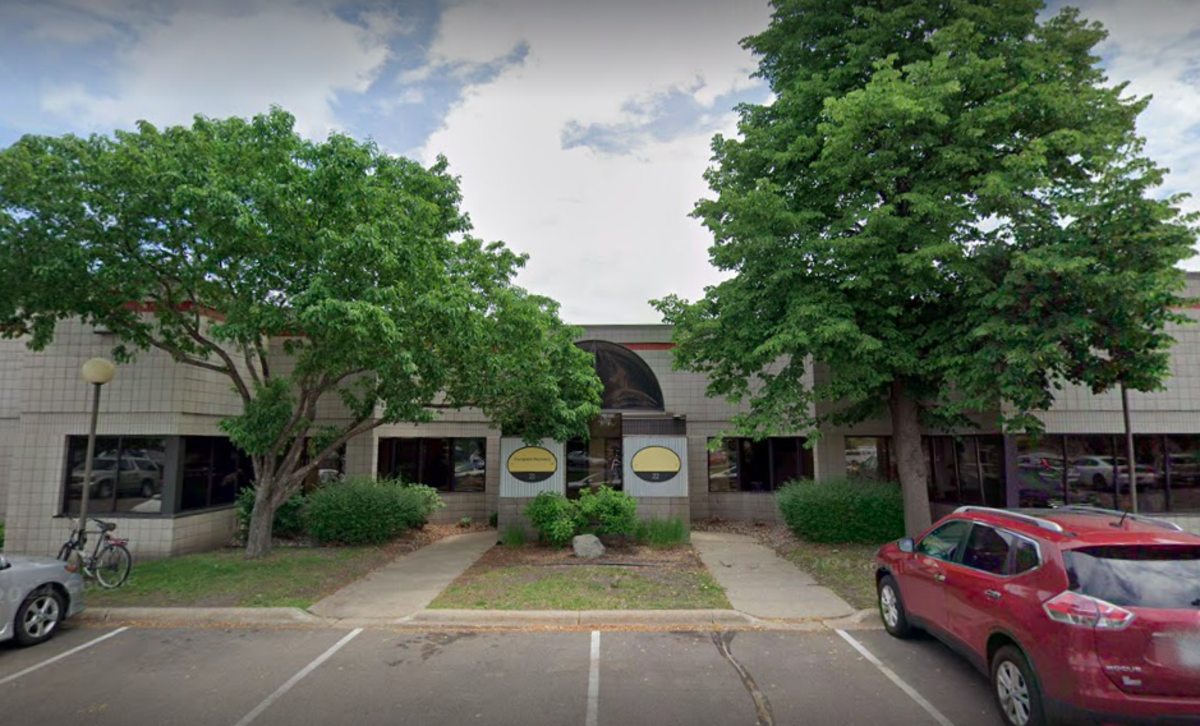
Evergreen Recovery, previously located on Energy Park Drive in St. Paul, had been a prominent provider of addiction treatment services before its closure earlier this year. Federal authorities initially filed a civil case against the organization to halt operations, citing significant financial irregularities. The civil case, still pending, names five corporate entities and three individuals, with two overlapping defendants between the civil and criminal proceedings.
Legal Proceedings
Grygo and Magadanz appeared in federal court for arraignment, while Heim’s initial court appearance is scheduled for December 23. Conspicuously absent from the criminal indictment is David Backus, a co-owner of Evergreen and Grygo’s husband, who had been named in the civil case. The reasons for his exclusion from the criminal charges remain unclear.
An indictment is a formal accusation and does not imply guilt. All defendants are presumed innocent unless proven guilty in a court of law.
Impact and Next Steps
The Evergreen case underscores the broader challenges in preventing and addressing Medicaid fraud. Attorney General Ellison noted that such schemes undermine public trust and strain resources intended for vulnerable populations. His office’s Medicaid Fraud Control Unit, funded primarily through federal grants, remains committed to investigating and prosecuting similar cases.
Evergreen Recovery’s alleged misconduct has become a focal point in discussions about healthcare oversight. As the criminal case progresses, additional details are expected to emerge about the extent of the fraud and the mechanisms used to perpetrate it.
Conclusion
The indictments against Evergreen Recovery’s executives mark a significant step in addressing systemic issues within Medicaid funding. While the legal process unfolds, this case serves as a reminder of the importance of vigilance and accountability in safeguarding public funds. Federal and state authorities have reaffirmed their commitment to protecting taxpayers and ensuring justice for those affected by fraudulent activities.