

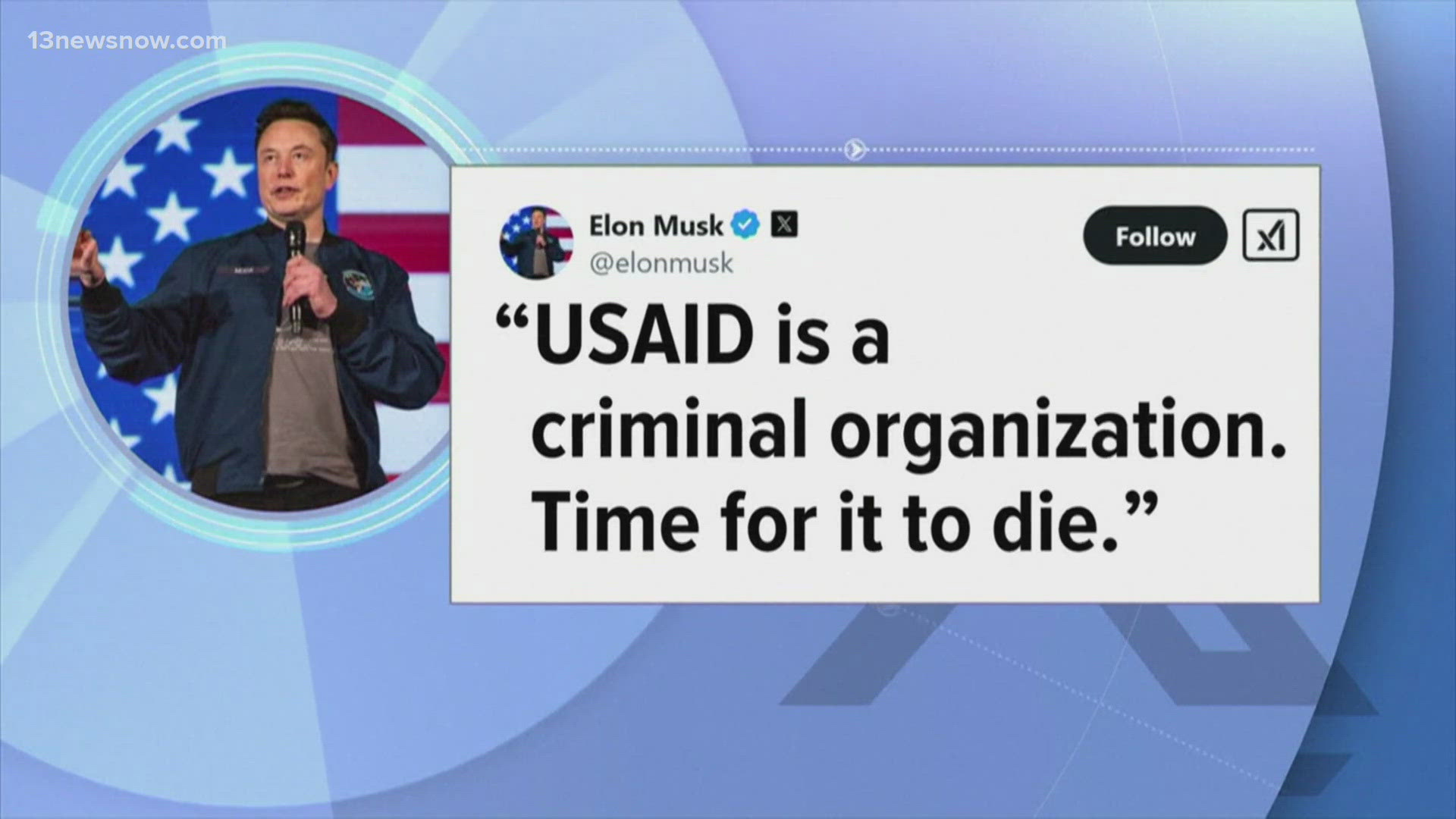
Recent discussions have raised concerns about the financial management and spending priorities within the United States Agency for International Development (USAID). While USAID has long been viewed as an organization dedicated to providing humanitarian aid and development assistance, emerging reports suggest that some of its expenditures may warrant further scrutiny.
Concerns Over Spending Priorities
Investigative research, independent analysis, and public discussions have highlighted instances where USAID funds were allocated in ways that some critics argue may not align with taxpayers’ expectations. Among the expenditures that have been questioned are:
- $20 million for an Iraqi version of Sesame Street
- $2 million for Moroccan pottery classes
- $1 million to advise Vietnam on reducing trash burning
- $27 million for welcome packages for undocumented migrants
- $330 million to assist Afghan farmers with crop production
- $200 million for an unused dam project in Afghanistan
- $250 million for an incomplete road in Afghanistan
- $40 billion reportedly allocated for electric car charging stations, with limited construction completed
While some of these projects may have valid justifications, critics argue that such expenditures should be more transparent and subject to greater public oversight.
Concerns Over Political Influence and NGO Funding
Another area of concern revolves around the flow of USAID funds to various non-governmental organizations (NGOs). Some analysts claim that taxpayer dollars may have been distributed to organizations involved in political or policy advocacy, raising questions about whether such allocations align with USAID’s intended mission.
One widely discussed claim involves $27 million reportedly directed to initiatives linked to criminal justice reform, with critics arguing that such funding may have had unintended consequences. Additionally, recent investigative efforts using financial tracking technology have suggested that government grants have been distributed to thousands of NGOs, sparking debate about whether these allocations were sufficiently transparent.
One such analysis claims that certain organizations have received millions in funding through intermediary groups, raising concerns about how taxpayer dollars are being distributed. While proponents argue that these funds support important social initiatives, others suggest that there should be greater public accountability regarding how federal aid is distributed.
Debate Over Government Oversight and Financial Accountability
The broader discussion surrounding USAID’s financial practices ties into ongoing debates about government transparency, federal spending, and taxpayer oversight. Many Americans have long expressed concerns about the rising national debt and deficit spending, leading to calls for stronger auditing measures and clearer justifications for how public funds are used.
While USAID and other federal agencies emphasize their commitment to humanitarian efforts, critics argue that there should be increased scrutiny to ensure that taxpayer dollars are spent effectively and in alignment with the public interest. Some lawmakers and policy analysts have suggested that greater oversight, independent audits, and more detailed financial disclosures could help restore public trust in federal aid programs.
Media Coverage and Public Awareness
Despite the scale of these discussions, some observers believe that mainstream media coverage has been selective in addressing concerns about government spending. While certain outlets focus on USAID’s humanitarian work, others argue that questions about financial mismanagement deserve more attention and balanced reporting.
Public awareness surrounding these issues appears to be growing, and some analysts predict that further investigations and audits could shed additional light on USAID’s financial structure and spending decisions. In particular, concerns about the efficiency and accountability of taxpayer-funded programs may lead to increased calls for government reforms.
Looking Ahead: Calls for Greater Transparency
The ongoing debate over USAID’s financial management reflects broader concerns about government accountability and fiscal responsibility. While some believe that USAID’s work is essential for global development, others argue that taxpayer-funded initiatives should be subject to more rigorous oversight to prevent potential waste, inefficiencies, or misallocations.
As discussions continue, there may be growing bipartisan interest in increasing financial transparency, strengthening auditing mechanisms, and ensuring that taxpayer dollars are used effectively. Ultimately, greater public engagement and informed debate will be key to shaping the future of government aid programs and ensuring that federal spending aligns with the interests of American taxpayers.